
Canadians deserve answers
The federal government announced a significant $3.8-billion nature strategy at the end of March, launched with much fanfare, and a promise to protect 30 per cent of Canada’s lands and waters by 2030. The strategy was met with hope and enthusiasm by Canadians across the country and was a much-needed spot of good news in what has been an overly long, depressing news cycle.
Finally, here was a government that understands the importance of safeguarding and celebrating Canada’s natural environment for generations to come.
But what the government gives with one hand, they now threaten to take away with the other.
The federal government has proposed that they will bypass critical environmental, Indigenous and other reviews in a bid to fast-track major projects, such as oil and gas pipelines, transportation corridors and telecommunication networks – changing laws, regulations and policies to do so, and establishing “federal economic zones” for major projects which would be granted “preapproval.”
Not so fast. The historic nature investment does not buy the government a ‘free pass’ on environmental reviews.
Prioritizing rapid economic development by sidelining environmental review could lead to zones of environmental lawlessness, weakening due diligence for development projects. Canada’s economic and environmental policy must be coherent for either to succeed.
Further, the government discussion papers that lay out these proposals raise more questions than they answer. And critically (one could claim, ironically), even the extended timelines for consultation are insufficient to have any meaningful opportunity for public engagement considering the significant changes proposed.
There are six fundamental questions that the government has sidestepped that Canadians deserve a fulsome response to:
First, where is the evidence to support the assumption that current environmental assessment processes are hindering major projects, and why is this being prioritized over strengthening due diligence?
Second, what happens when a necessary federal review takes longer than the proposed one-year timeline, and how will the integrity of the process be maintained without undue political interference?
Thirdly, how will “Special Economic Zones” be determined and regulated to ensure they do not become zones of environmental lawlessness?
Fourth, what specific mechanisms will protect long-term Canadian environmental and economic interests from foreign-backed applicants whose sole interest is extraction?
Fifth, how will critical terms like “national interest,” “environmental standards,” and “public interest” be clearly and legally defined, and what qualifications will Ministers be required to have when exercising these discretionary powers?
Finally, how will the Cabinet and Ministers be held accountable for decisions that place species at risk in harm’s way, and what recourse will the public have?
We have recently met with government officials, and despite asking, these critical questions have not yet been answered. Canadians deserve meaningful, transparent dialogue to ensure environmental assessment remains a credible tool for sustainable economic prosperity.
The government’s proposals appear founded on a false premise that existing environmental due diligence is a primary impediment to prosperity, and they contain dangerous ambiguities that could threaten the country’s most vulnerable ecosystems.
Canadians deserve transparent answers to fundamental questions before any legislation is considered.
The effort to redefine environmental responsibility as mere ‘red tape’ is dangerously short-sighted. Nature is not an impediment to economic development; environmental assessment is the ‘credit check’ before we write the loan.
It is due diligence, fiduciary responsibility, and the only way to build prosperity that endures.
Setting aside Canada’s responsibilities would be a dangerous misstep and a recipe for future delays when these sidesteps end up in court. The Prime Minister should recognize the long-term advantages of treating nature as an economic ally, not an obstacle.
Prime Minister Carney must engage in meaningful, transparent dialogue with Canadians to ensure environmental assessment remains a credible tool for sustainable economic prosperity. The cost of shortcuts will inevitably hurt Canadians a lot more when the accounting is done.
And Parliamentarians should vote against proposed legislation that jeopardizes the 2030 Nature Strategy, rests on false assumptions and a long list of unanswered questions, and bypasses meaningful consultation.
Let’s not give in easily to a cynical two-faced nature policy. We can do better.
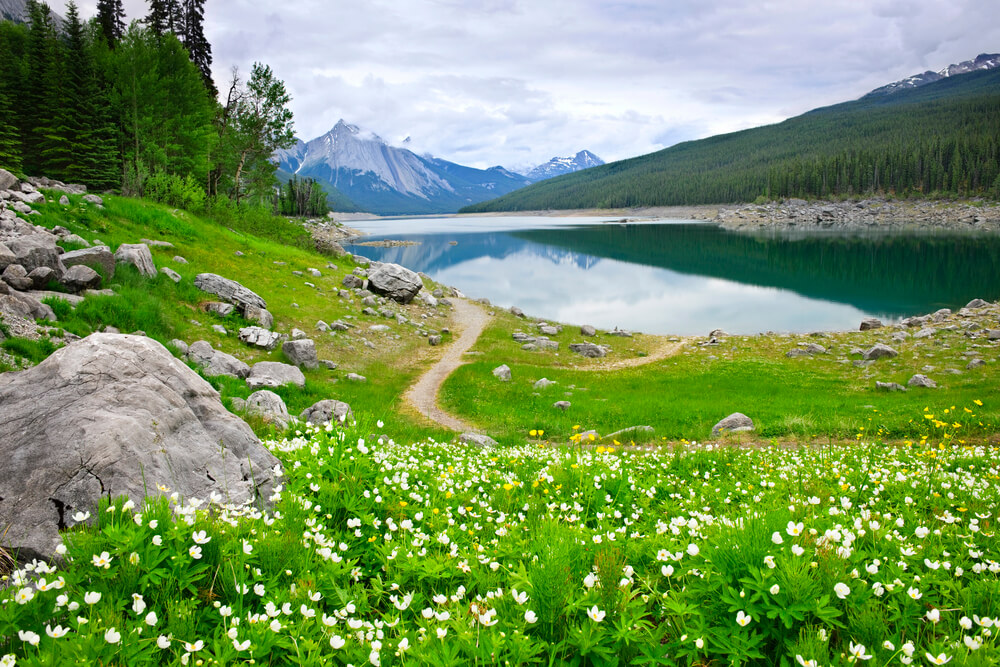
Photo courtesy of DepositPhotos