

About half of apprentices in the skilled trades who begin a program never complete it, and fewer than one-third complete the certification in the standard time
With a major federal investment in the skilled trades earlier this spring, it is time for governments in Canada to pay attention to the nuts and bolts of apprenticeship training, ensuring that those who take up the tools to build this country make it to the finish line.
One of the most enduring messages from government officials these days is that great careers await in the skilled trades. It makes sense: tradespeople are critical to everything from major projects to keeping the lights on. They keep planes in the air and cars on the road. But attracting young people to a trade is only the first step in an often-complex career journey.
Canada has a terrible track record for retaining apprentices in the skilled trades.
Improving progression and completion among apprentices needs to be a top priority for our governments. And that means investing in the institutions that deliver skilled trades technical training
The federal government’s targets are ambitious. Ottawa wants 100,000 more Red Seal tradespeople to support national priorities in housing, transportation, manufacturing, energy and national defence. Employer incentives and apprentice grants reflect a serious effort to bring more people into the trades.
It’s a good start, but it’s only a small part of the challenge. Focusing on training timelines and completion would be one of the most cost-efficient and expedient ways to increase the population of certified workers.
So, where’s the mismatch?
First, many things affect timely completion. Apprentices may leave the pathway for a variety of personal, financial and workplace reasons. Unlike an academic pathway, most apprentice training occurs on the job, meaning apprentices must maintain employment to progress in their trade. The Build Canada Strong agenda is about as good as government can deliver on that front.
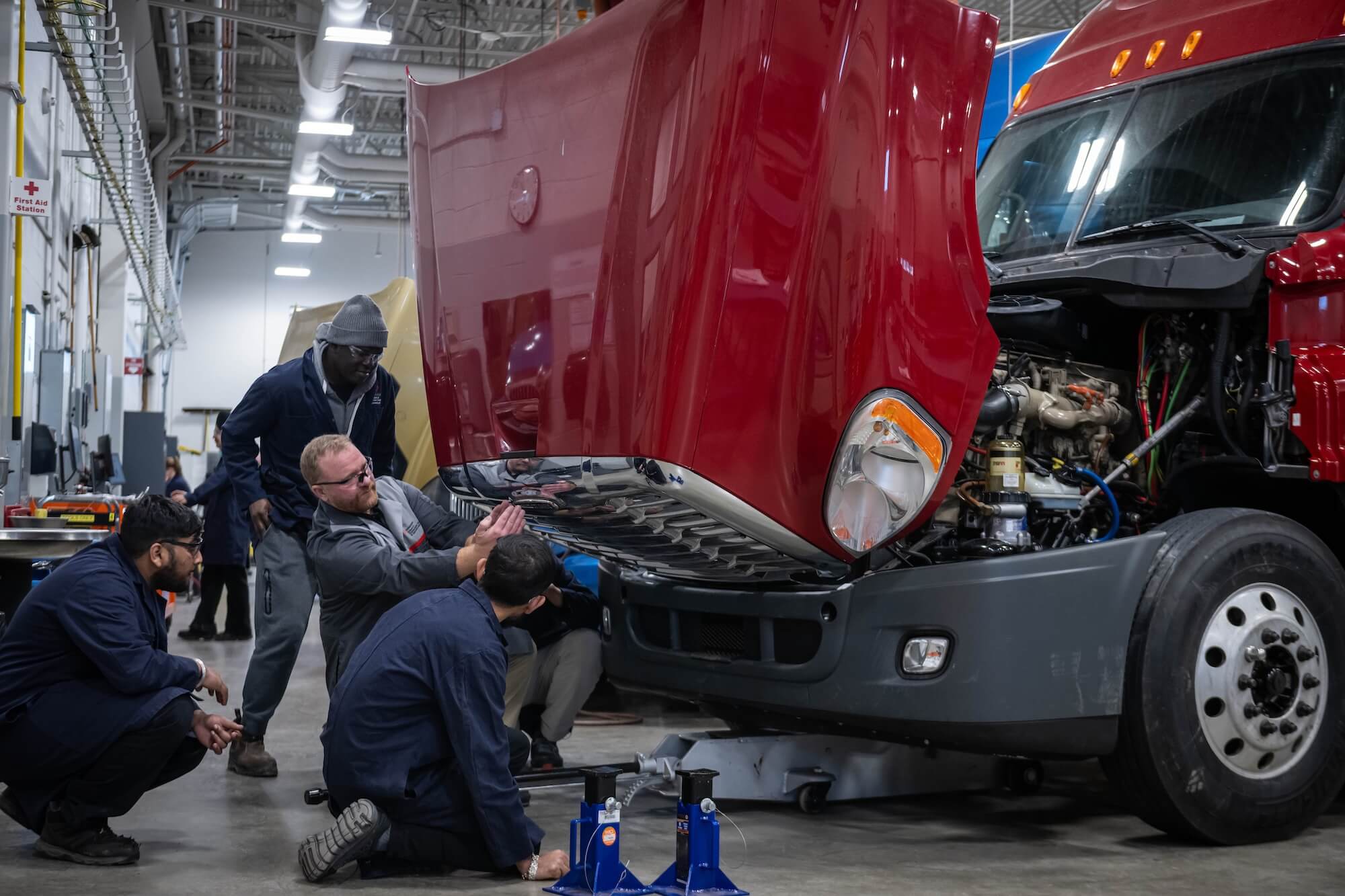
Another essential component of apprenticeship completion is technical training. This, by and large, is provided at public technical training institutions across the country. In most trades, apprentices must return to school four times for mandatory technical training blocks before they can challenge their Red Seal exam. Trades training requires space, equipment and instructors with practical workplace experience. It is expensive to deliver and rarely pays for itself, challenging institutions to find innovative ways to keep programs viable.
Today, thousands of apprentices face delays accessing this in-class training. In some high-demand trades like plumbing, electrical, welding and heavy equipment operation, apprentices can wait a year or more for one of a limited number of training spots. Because apprentices must complete these training blocks to progress through their trade, such delays can leave them stuck between levels for extended periods.
These delays stall advancement and can push completion out of reach for too many apprentices. Governments must ensure there are sufficient training seats available to meet the demand.
Polytechnics train some 70 per cent of apprentices who attend training each year. Ramping up the number of tradespeople means expanding capacity at polytechnics to train them.
For an apprentice, returning to school triggers wage increases and enables more complex work. They can access skilled instructors, tutoring support and career services, while building a wider range of work-relevant skills – all good things.
But clearing training backlogs requires targeted investments, including support to expand physical training space and purchase new equipment. It also means ensuring the full cost of training delivery is covered, including for tariff-impacted materials like lumber, steel and copper, which are essential to hands-on projects in the classroom.
Without investment in training capacity, a significant proportion of the federal agenda is at risk.
New entrants, seeking to capitalize on the promise of solid career prospects, may soon realize the barriers outweigh the benefits. Employers will struggle to hire new apprentices if existing hires cannot progress. Grants tied to in-class training will have limited effect if apprentices cannot access classroom seats.
More broadly, delays in apprenticeship progression are likely to drive up costs and slow timelines across the very nation-building projects these investments are meant to support. Left unresolved, Ottawa’s ambitions to Build Canada Strong – however well intentioned – will fall flat.
Photo courtesy of Polytechnics Canada