

Canada confronts questions about forced labour
In recent weeks, the Canadian government has scrambled to reaffirm its commitment to combatting forced labour. This follows criticism over Canada’s deepening trade ties to countries implicated in labour abuse, a Liberal MP’s apparent questioning of reports of forced labour in China and the launch of a U.S. investigation into whether Canada’s failure to prohibit imports made with forced labour harms U.S. businesses and warrants new tariffs.
The federal government has repeatedly evoked the Canadian Ombudsperson for Responsible Enterprise (CORE) as evidence that Canada remains committed to the issue. Yet, the truth is that the government has left the office to languish.
Established in 2019, the CORE is mandated to investigate complaints of human rights abuse linked to Canadian business activity abroad. If an investigation confirms corporate wrongdoing, the Ombudsperson can issue public findings and recommendations, both of which can impact a company’s reputation and prospects for future government support.
When first announced, the government trumpeted the CORE as a “first of its kind in the world” and a demonstration of Canadian leadership in responsible business conduct. It is a mechanism with significant potential for ensuring Canadian companies are held accountable for profiting from human rights abuse in their global activities and operations.
So why, then, has the government left the CORE without a permanent leader since 2024?
“The office remains important,” assured Canada’s foreign affairs minister, responding to a reporter in March. “We are working with alacrity to fill numerous positions across the government […]. We are working on the issue that you raised in your question.”
“Let’s be very, very clear,” said Canada’s finance minister a few days later. “We condemn forced labour in all its forms everywhere in the world. And Canada has been at the forefront. […] We have a responsible person to investigate, to make sure that we have supply chains which are resilient but also exempt, obviously, of any form of forced labour. That’s a matter of integrity.”
Neither minister explicitly confirmed that a new Ombudsperson would be appointed, nor did they provide a clear appointment timeline.
Our tracking shows that the CORE has deemed admissible 17 complaints submitted to the office. One such complaint was filed in 2022 by a coalition of 28 civil society organizations, including Canadian Uyghur groups, alleging that the operations of Vancouver‑based Dynasty Gold in Xinjiang, China, benefited from Uyghur forced labour.
The CORE’s investigation found that the company failed to take steps to identify or mitigate the abuse, concluding that it contributed to forced labour through inaction. In the 2024 final report, the Ombudsperson recommended that Dynasty Gold take remedial measures and that Canada withhold future trade advocacy and financial support until the company complies with the CORE’s recommendations.
No new investigations have been announced or concluded since 2024.
Last month, a report from the UN Human Rights Committee called on Canada to urgently appoint a new Ombudsperson, ensure the office’s independence from government and strengthen the office with investigatory powers.
We welcome these recommendations. As do, we imagine, the hundreds of thousands of Canadians who petitioned parliament for an Ombudsperson in the first place.
If the Canadian government wants to promote Canada as a leader in responsible business and a reliable actor on forced labour, it must move beyond vague statements. Its next step could be properly staffing and empowering the CORE. As the finance minister said, that’s a matter of integrity.
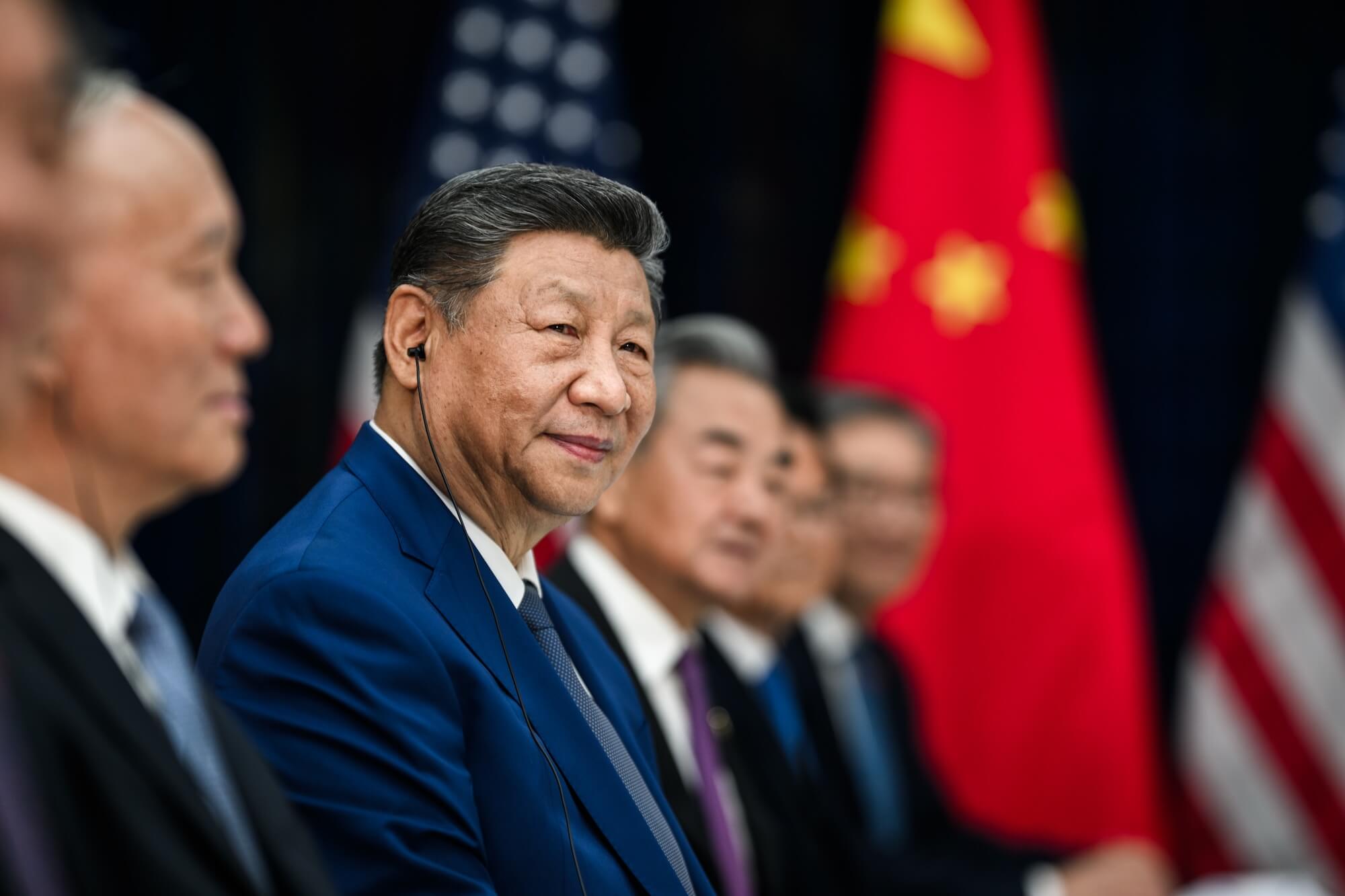
Photo courtesy of The White House, Public domain, via Wikimedia Commons