

Technical education begins early and needs industry partnership
How are Canada’s secondary students supposed to enter the skilled trades, eager and capable, when their training is out of date? This is a question for our governments responsible for funding education, but also for our industry partners.
The solution doesn’t demand large financial investments. It starts with recognition from the government and trades-dependent industries that secondary education is the initial step in workforce development.
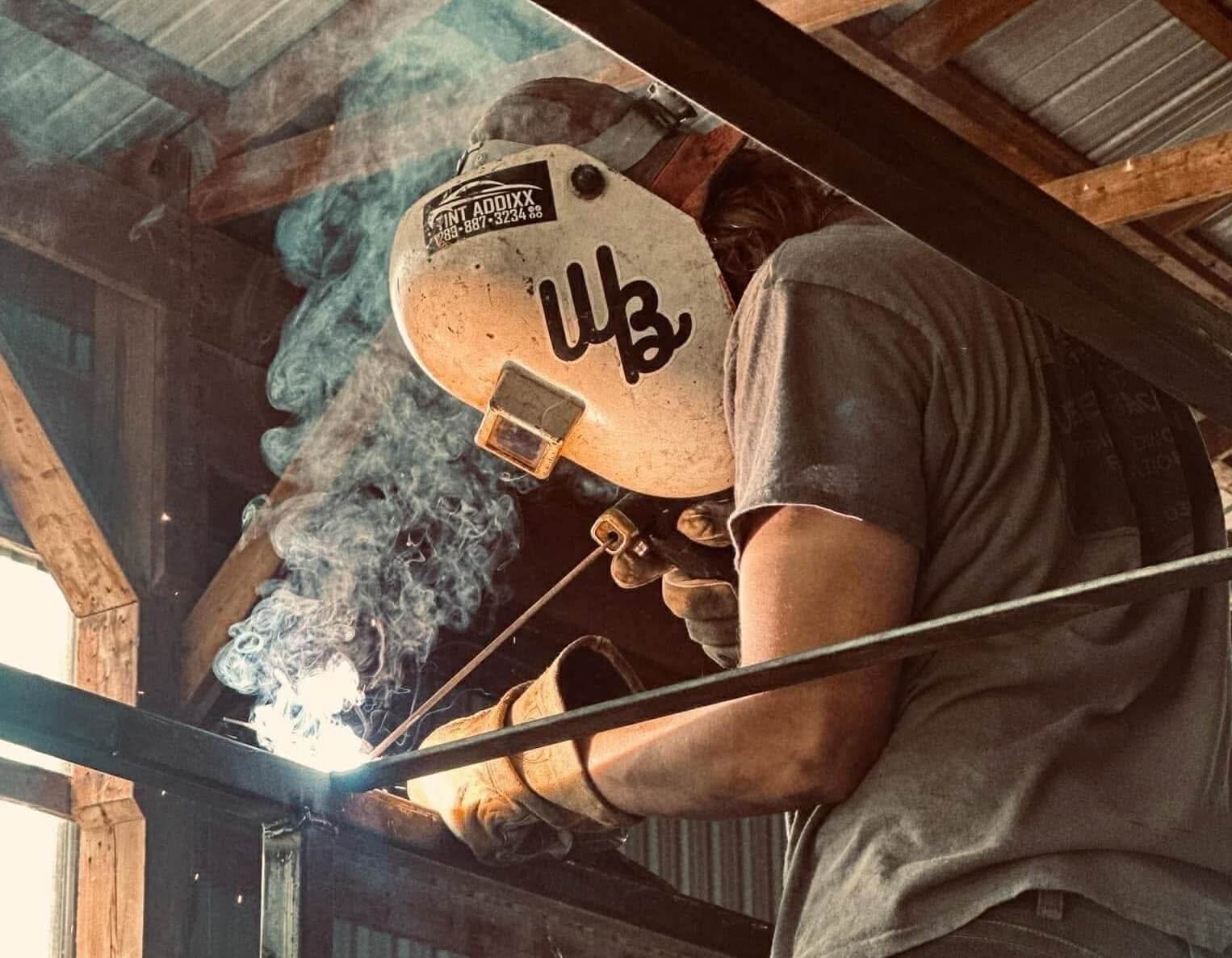
Canada’s skilled trades workforce starts in a high school welding booth, where an interested student uses their hands to fuse metal and discovers a gateway into the skilled trades and the value of pursuing it as a career.
Technology in welding has advanced significantly. Students must acquire foundational skills and gain exposure and proficiency in multi-process welding machines, automated systems and alignment with modern safety standards because these are expected when they enter the shop floor.
Instead, students are trained on outdated equipment and often need retraining when they start their first job. This is a common issue that employers regularly encounter with new hires.
Secondary school funding for technical education isn’t keeping pace. Conversations between the CWB Foundation and technical educators show budgets are being cut, sometimes to $250 monthly per class, averaging 24 students. That amount only lets students work with steel once or twice a week and doesn’t cover basic consumables, safety gear or equipment maintenance.
The CWB Foundation receives about 195 grant applications each year from secondary schools across the country seeking welding equipment, consumables and skills training support to better prepare their students for real-world work. Total requests for both the Equipment and Technology Advancement program and the CWB WeldSAFETM grant amount to $2 million, but there’s only enough donor funding to support approximately 30 per cent of these requests.
When 70 per cent of requests for assistance go unfunded despite critical need, it signals that both governments and industry need to take action. Educational funding, combined with external funding from industry partnerships, can and should help bridge that gap.
This is especially important when 47 per cent of employers report they can’t find qualified welders, according to the CWB Group’s 2024 Canadian Welding Industry Employment and Salary Report.
This disconnect must be addressed promptly. Technical education requires industry collaboration.
Employers must invest in environments where skills develop. They shouldn’t complain about skills gaps while outdated equipment like five-year-old plasma cutters gathers dust instead of being donated. Educators do their best with the limited tools they have, which may explain why young welders seem inexperienced.
Let’s look at the ways industry partnership can help:
Donate equipment and consumables: Scrap metal or a welding machine that is being phased out of production can have an immediate impact on a high school.
Collaborate with educators: Teachers need assistance in designing classrooms and curriculum that align with industry objectives. Open your doors to allow students to visit facilities, observe modern welding environments and participate in internships during the summer months.
Support safety infrastructure: Working ventilation, adequate PPE and functional equipment shouldn’t be luxuries because safety truly isn’t optional. Secondary schools applying for CWB Foundation safety equipment grants shouldn’t face a 61 per cent chance of rejection.
Workshop safety is a major area that needs improvement.
Recent CWB Foundation safety audits have uncovered a concerning pattern: many schools continue to operate without sufficient PPE, proper ventilation or equipment that aligns with modern industry standards. Outdated, poorly equipped shops send the wrong message about these careers and deter students from exploring these viable career paths.
Employers need to ask themselves one question: What have we contributed to the skilled trades training pipeline? If the answer gives them pause, then trouble finding skilled welders shouldn’t be a surprise.
The labour shortage isn’t new, but if governments and industry keep pursuing short-term fixes instead of developing long-term solutions, where will that leave us in 10 years?
Providing the right support and equipment determines whether high school students remain engaged in the skilled trades or walk away. Currently, we’re giving too many students reasons to look elsewhere.
Industry can’t afford that any longer, and neither can Canada. Increased industry involvement and modest investment from our governments can help ensure that our students receive proper training and our workforce is prepared to build the Canada we all envision.
Photo courtesy of Sam Henderson